
A Book Review: Richard Wright’s The Man Who Lived Underground
Exploring Race, Identity, and Liberation in Fred Daniels’ Underground Journey
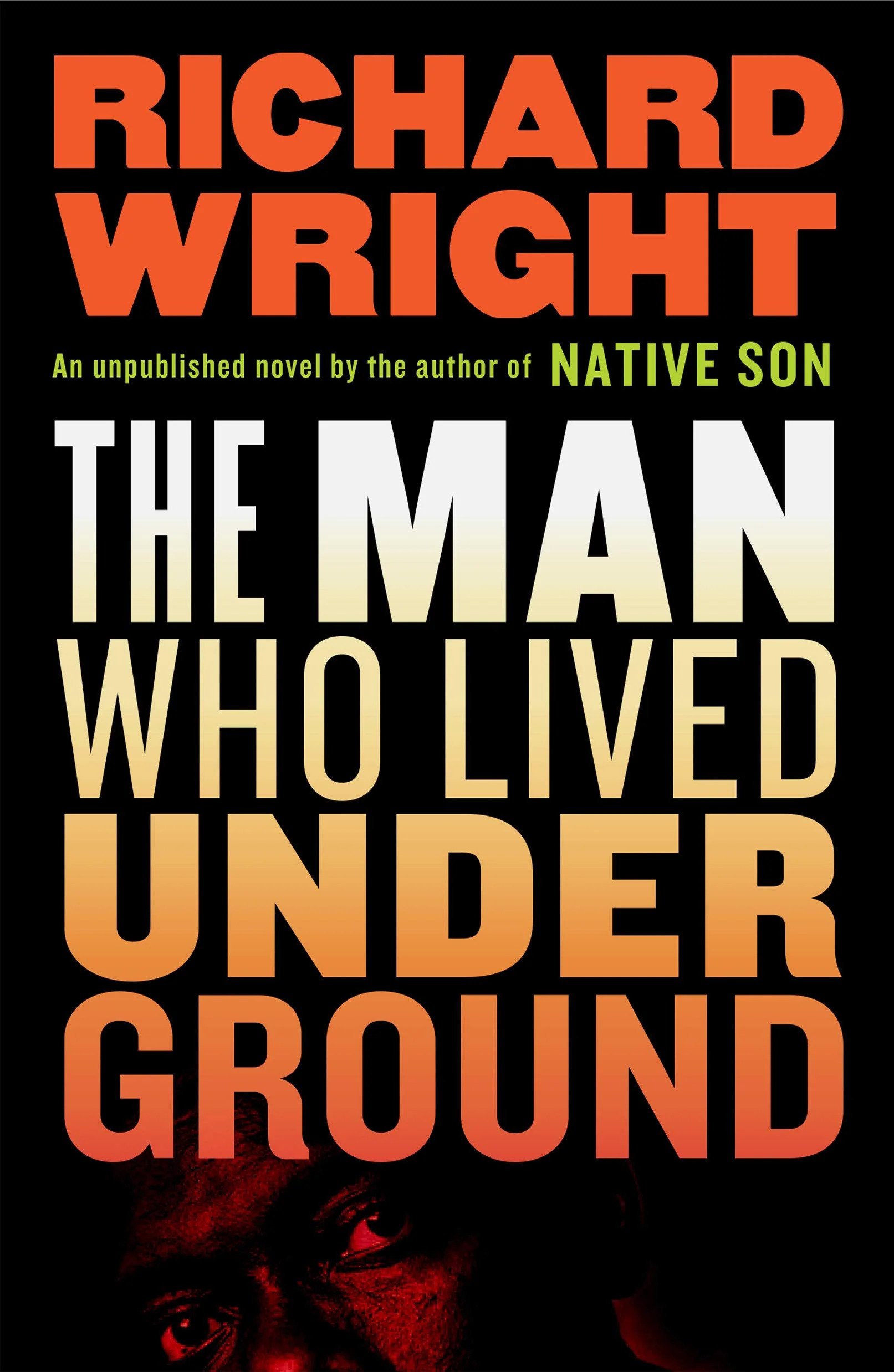
Richard Wright (1908–1960) penned stories that confront the tragedy of blackness and the systemic racism Black people face in America. Born at the Rucker’s Plantation in Mississippi, the son of a sharecropper and a schoolteacher, Wright grew up amid civil unrest, poverty, and uncertainty.
Through his creativity, he forged a path beyond these hardships. His life and perspective are vividly reflected in Native Son and his autobiography Black Boy. In The Man Who Lived Underground, we encounter a more personal narrative, exploring themes of religion, racism, and identity in a previously unreleased work.
A prefatory note at the story’s outset provides insight into its origins. Originally part of a collection of short stories titled Eight Men, this expanded version acts as a bridge to Native Son, immersing the protagonist, Fred Daniels, in a meditation on loss. Throughout the story, Daniels loses freedom, marriage, fatherhood, work, religion, and ultimately, identity. The narrative begins with tension and evolves into a grayscale journey underground, punctuated by vibrant symbolic moments that illuminate Daniels’ experience.
The story opens with Daniels facing “wrong place, wrong time” circumstances, encountering police brutality that evokes a sense of jadedness.
While the trope of a Black man unjustly accused is familiar, Wright’s treatment is distinctive: Daniels escapes confinement and discovers freedom in the darkness below. Here, darkness becomes a vehicle for self-discovery, forcing him to confront the systems he once relied on for identity. Through this lens, loss becomes a means of revelation, with the underground world reflecting truths invisible in daylight.
It is in the darkness that Daniels, now invisible now that he is in darkness, sees various scenes, encountering an open safe within a bank, discovers rooms with various tools and objects of value, and a room with a slumbering watchman. One powerful scene depicts Daniels encountering a church service, which causes the character great anger as when he was in the “light,” he was a God- fearing man.
The character comes to the understanding that when he was in church he “felt what they felt; but here in the underground, distantly sundered from them, he saw a defenseless nakedness in their lives that made him disown them,”(Wright 63).
In Memories of My Grandmother, a personal essay about this text, he references the religion that his grandmother held (Seventh-Day Adventist) and how the religion shaped his grandmother’s identity in ways he was still trying to determine how to depict. He speaks of this grappling of identity and religion as the character loses his connection to religion and continues to navigate darkness.Wright leans heavily into symbolism, using objects that can be identified in many ways. It is either commentary on how the world treats these objects (He navigates the darkness with a rod, which is referenced in many biblical texts as an object of discipline). But one could interpret the objects as items that are often used by African-Americans to symbolize freedom (money being a major symbol).

