
14 African Literary Giants Who Defined the Continent's Story and Global Literature
This article highlights 14 essential African authors who have reclaimed the continent's narrative and transformed global literature by exploring diverse themes—from colonial resistance to contemporary feminism—with profound honesty and unique storytelling.
The Foundational Pioneers: Reclaiming the Narrative
-
The Foundational Pioneers: Reclaiming the Narrative -
The first wave of post-independence writers laid the groundwork for modern African literature, using their pens to decolonize minds and assert cultural pride.
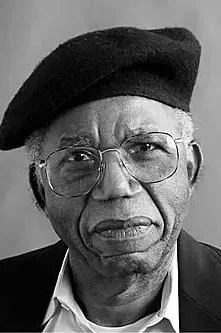
Chinua Achebe: The Father
Home Country: Nigeria
Notable Work: Things Fall Apart
Achebe's work is the cornerstone of modern African literature. His seminal novel, Things Fall Apart, provided the world with an authentic, nuanced portrayal of pre-colonial Igbo life and the devastating impact of European arrival, countering colonial narratives.
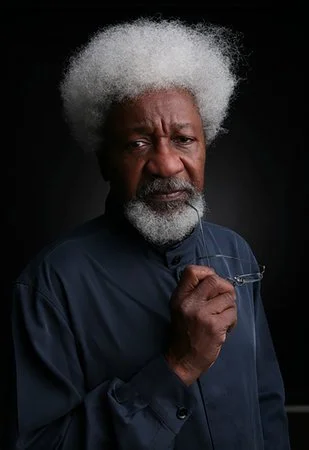
Wole Soyinka: The William Shakespeare
Home Country: Nigeria
Notable Work: Death and the King’s Horseman
The first African Nobel Laureate in Literature (1986), he is a master playwright, poet, and essayist. His work blends Yoruba mythology, Western dramatic tradition, and biting political commentary, making him an enduring voice for justice and freedom.
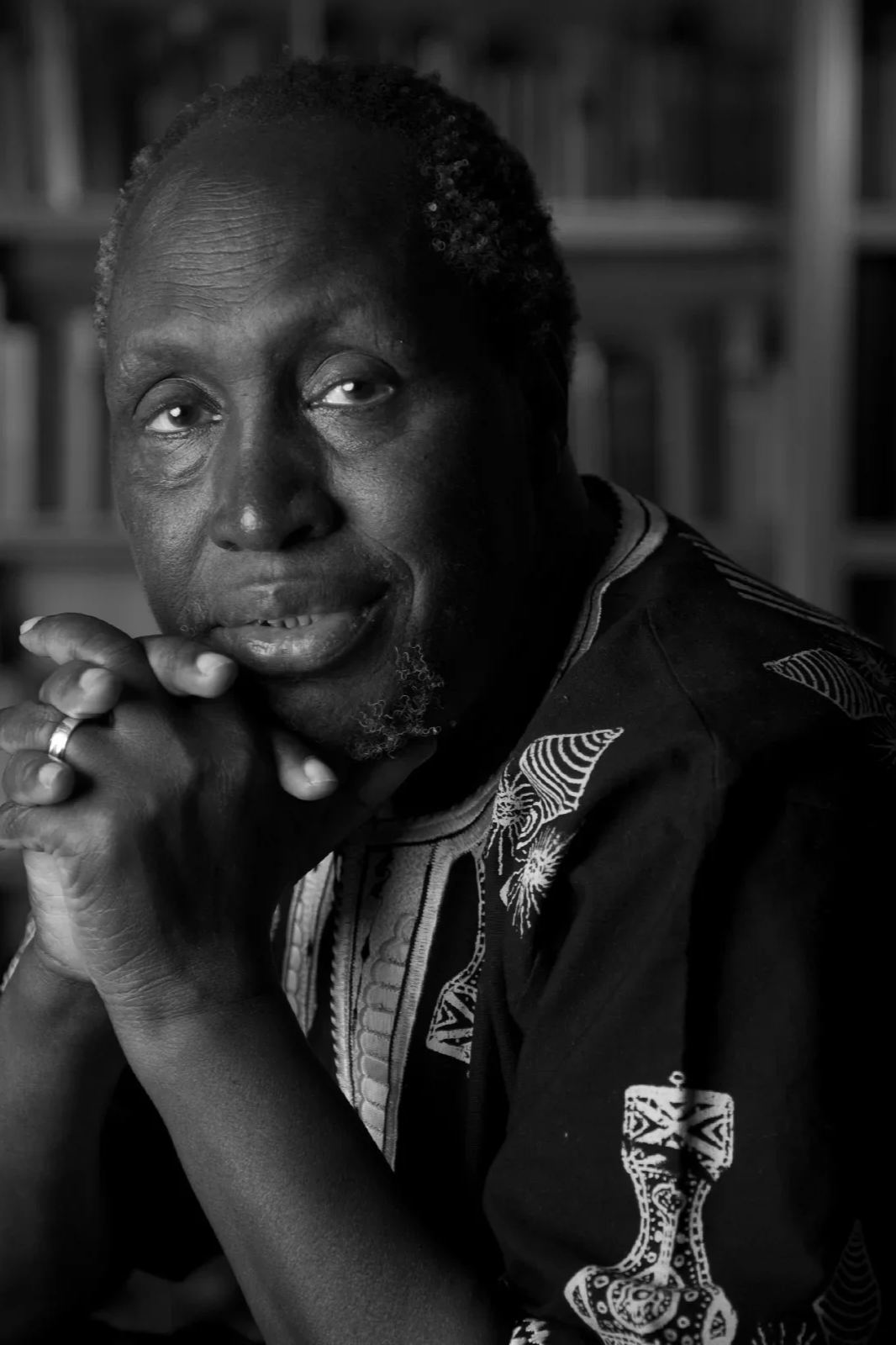
Ngugi wa Thiong'o: The Decolonizer
Home Country: Kenya
Notable Work: A Grain of Wheat
Ngugi's literary journey is a powerful statement on language and identity. He shifted to Gikuyu, his native language, to further cultural decolonization. His works are crucial studies of the Mau Mau uprising and the disillusionment of post-independence Kenya.
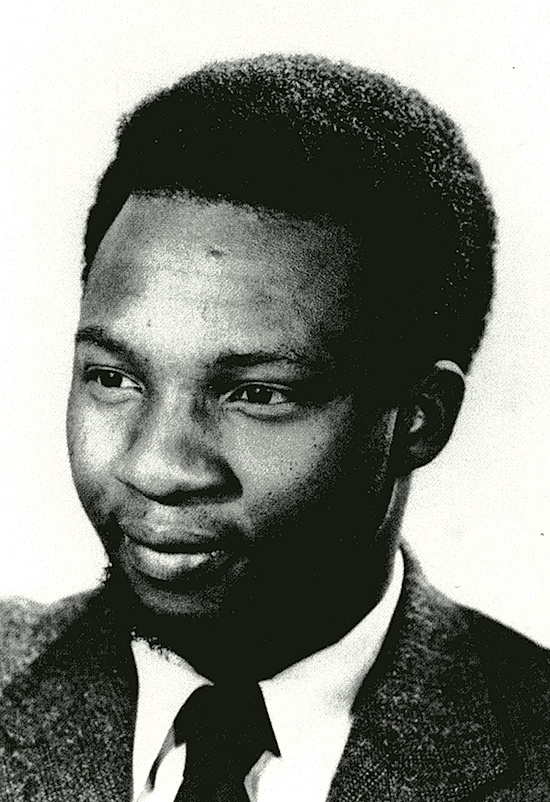
Camara Laye: The Nostalgic Chronicler
Home Country: Guinea
Notable Work: The African Child
Laye’s memoir-novel offers a tender, nostalgic look at a traditional Malinké childhood in Guinea. It provides a vital, humanizing perspective on African life that contrasts sharply with the political turmoil often depicted by his contemporaries, celebrating cultural heritage.
Voices of Post-Colonial Critique and Social Conscience
-
Voices of Post-Colonial Critique and Social Conscience -
These authors used their work to scrutinize the failures of post-independence governments, explore the complex social issues facing the continent, and champion the voices of women.
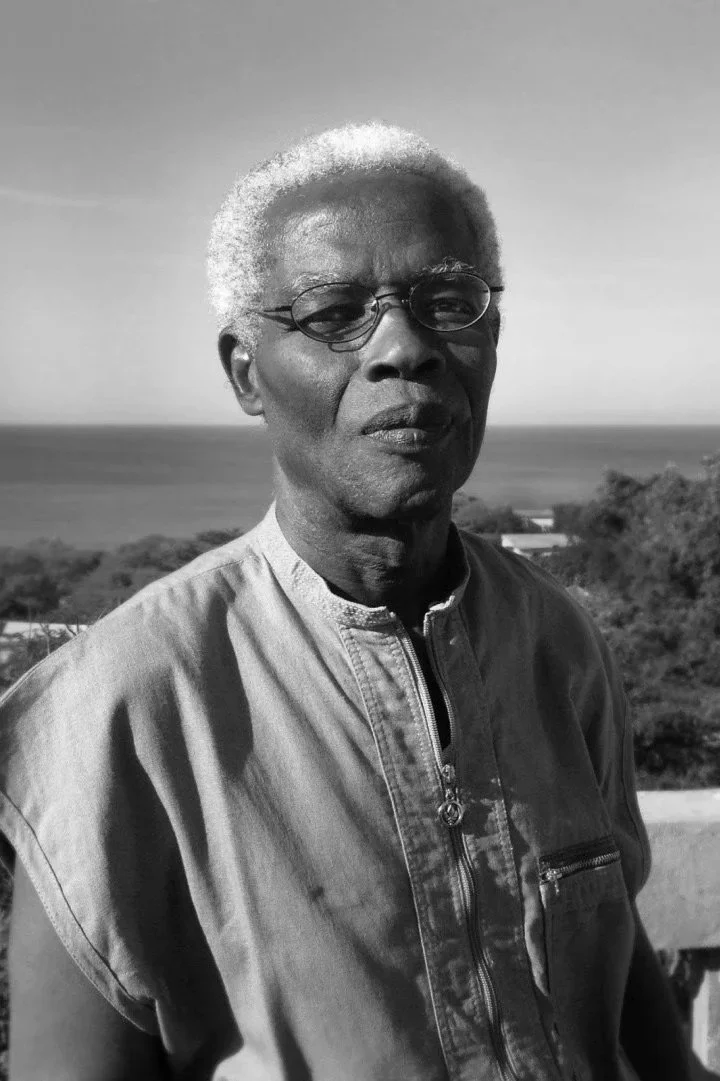
Ayi Kwei Armah: The Poetic Visionary
Home Country: Ghana
Notable Work: The Beautyful Ones Are Not Yet Born
Armah’s searing, allegorical novel is a devastating critique of corruption and moral decay in post-colonial Ghana. His intense, poetic prose captures the despair and the faint hope for a better future, making his work a powerful social commentary.
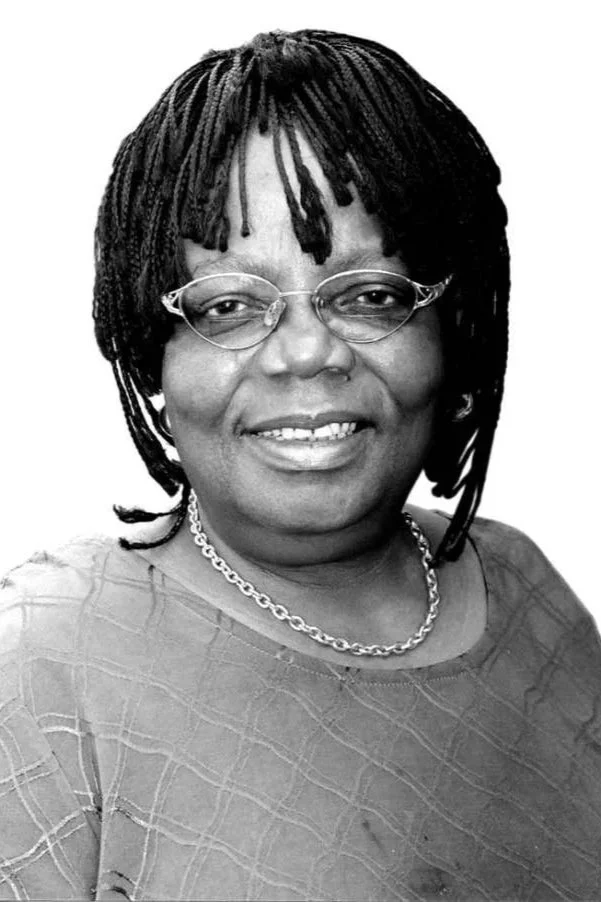
Buchi Emecheta: The Queen
Home Country: Nigeria
Notable Work: The Joys of Motherhood
Emecheta’s powerful novels explore the struggles of African women in both traditional and modern settings, particularly focusing on issues of gender, race, and economic independence. The Joys of Motherhood is a heartbreaking examination of societal pressures.
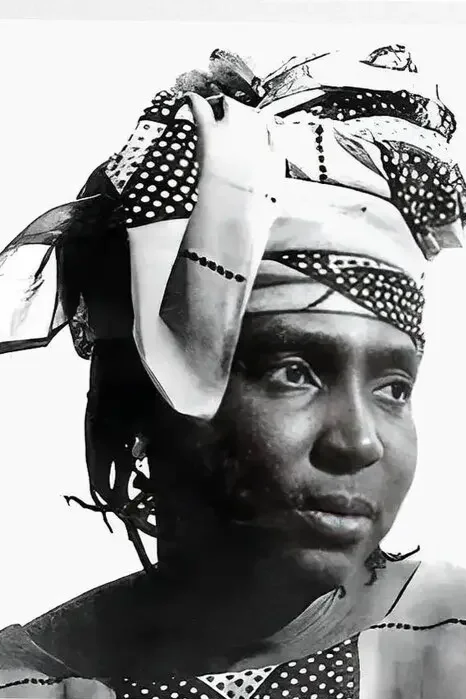
Mariama Bâ: The Voice of Women
Home Country: Senegal
Notable Work: So Long a Letter
Bâ's epistolary novel, So Long a Letter, is a foundational text of African feminist literature. It offers a poignant and powerful critique of polygamy and the constraints placed on women in post-colonial Senegalese society, making her a crucial voice for female liberation.
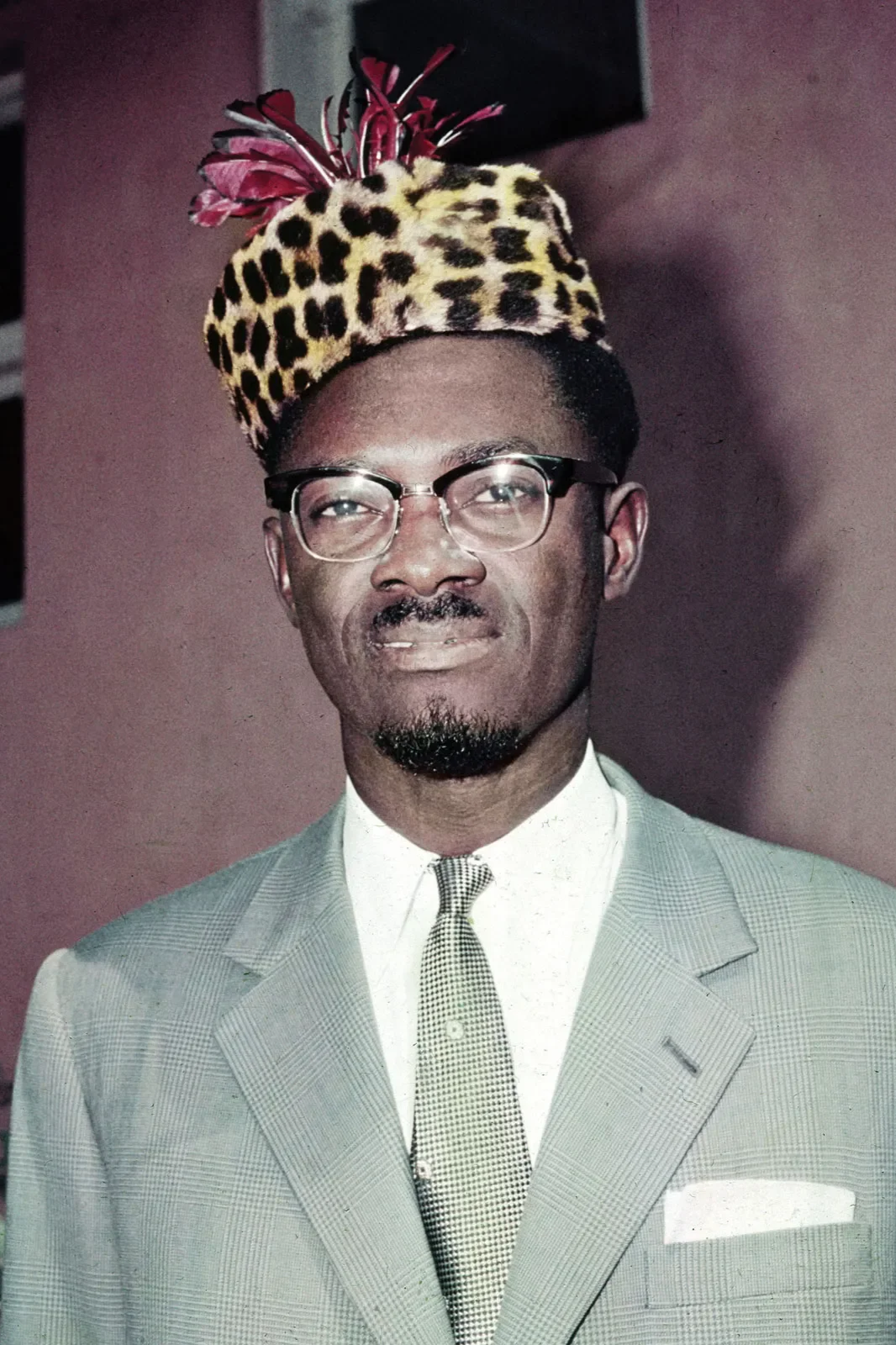
Patrice Lumumba: The Political Literary Voice
Home Country: Democratic Republic of the Congo
Notable Work: Congo, My Country
While primarily a political leader, Lumumba's writings, particularly his book Congo, My Country, offer a vital literary and political testament. It is a powerful, early articulation of African nationalism, a critique of Belgian colonialism, and a vision for an independent Congo.
Contemporary Trailblazers and Global Voices
-
Contemporary Trailblazers and Global Voices -
This generation of writers has achieved massive global success, tackling issues of identity, migration, and contemporary politics with a fresh, international perspective.
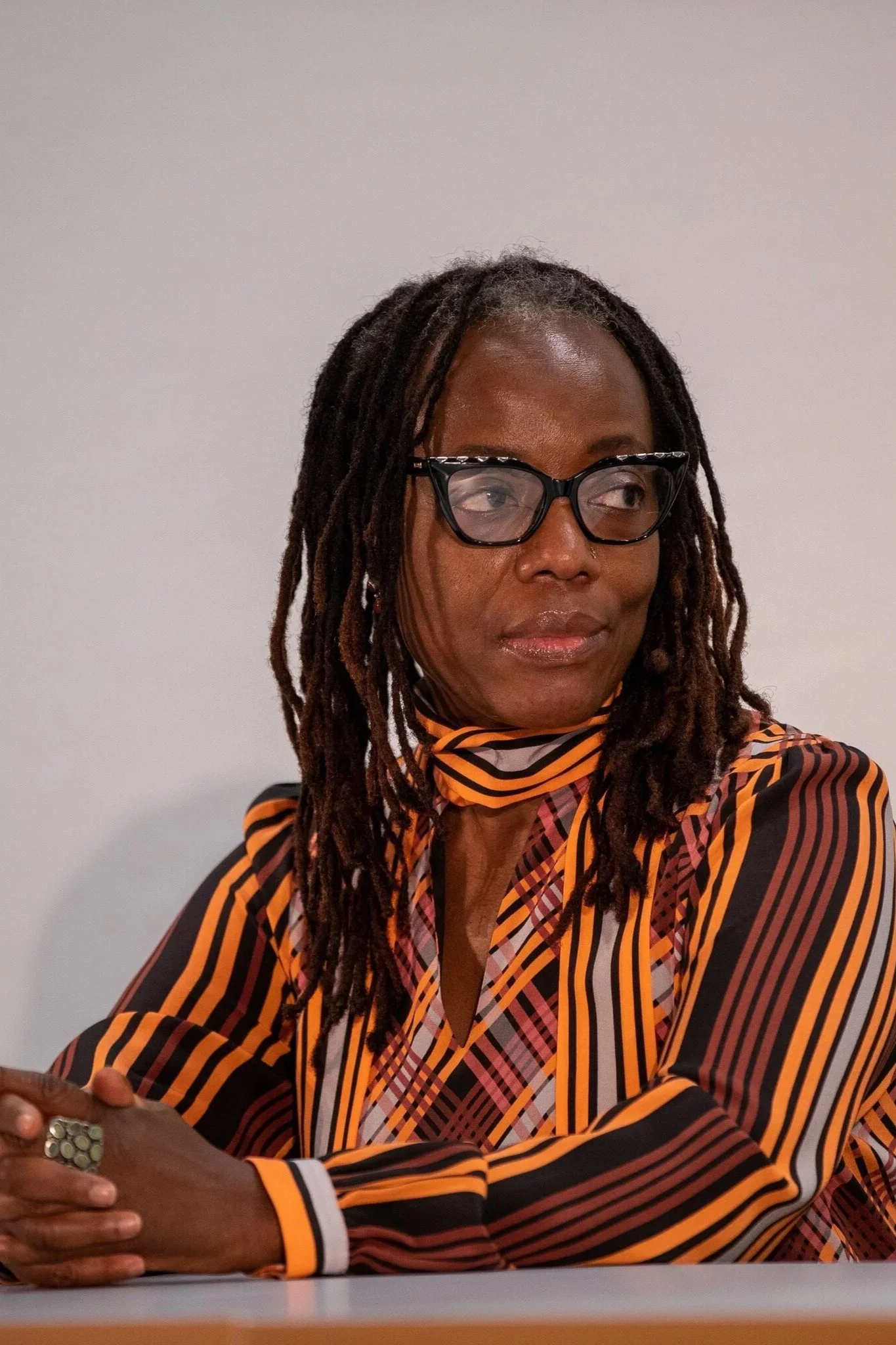
Tsitsi Dangarembga: The Literary Trailblazer
Home Country: Zimbabwe
Notable Work: Nervous Conditions
Dangarembga’s debut novel is a foundational text of African feminism, exploring the intersection of race, class, and gender in colonial Rhodesia. Her work is a powerful, ongoing critique of patriarchal structures and political oppression.
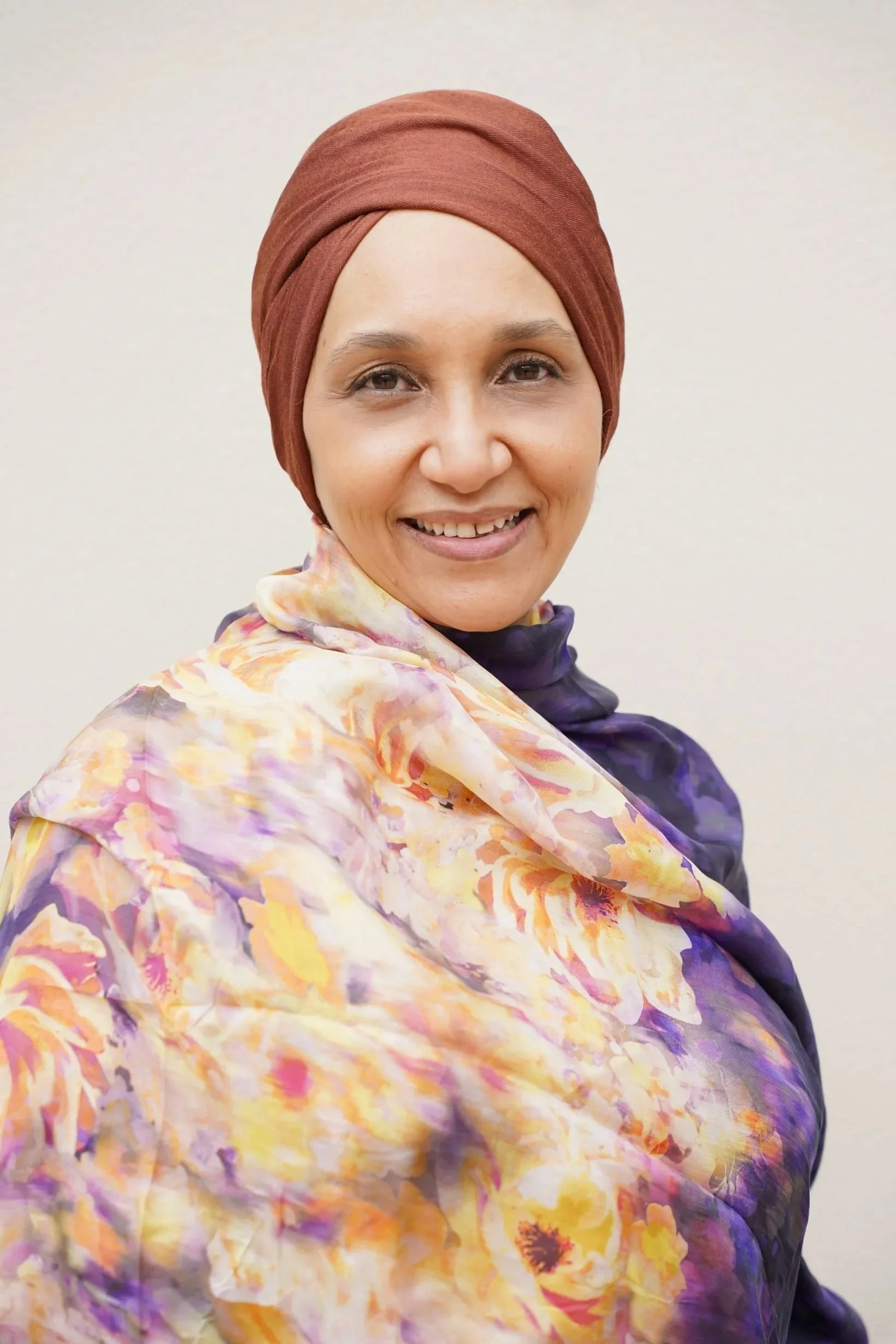
Leila Aboulela: The Sudanese Ambassador
Home Country: Sudan
Notable Work: The Translator
Aboulela's writing beautifully explores the experiences of Muslim immigrants in the West, focusing on themes of faith, cultural identity, and the search for belonging, bridging Sudanese and Scottish narratives.

Chimamanda Ngozi Adichie: The Fearless Feminist
Home Country: Nigeria
Notable Work: Half of a Yellow Sun
Adichie is arguably the most influential contemporary African writer. Her work, including the epic Half of a Yellow Sun and the globally resonant Americanah, has brought African stories to a massive international audience, while her essays have redefined modern feminism.

Ben Okri: The Magical Realist
Home Country: Nigeria
Notable Work: The Famished Road
Okri, a Booker Prize winner, is a master of magical realism, weaving together the spiritual and the political. The Famished Road is a dazzling, complex novel that uses the figure of the abiku (spirit child) to explore the turbulent history of Nigeria.
Masters of Drama and Southern African Narratives
-
Masters of Drama and Southern African Narratives -
The literary landscape of Southern Africa, marked by the legacy of apartheid and unique cultural histories, has produced some of the continent's most powerful voices.
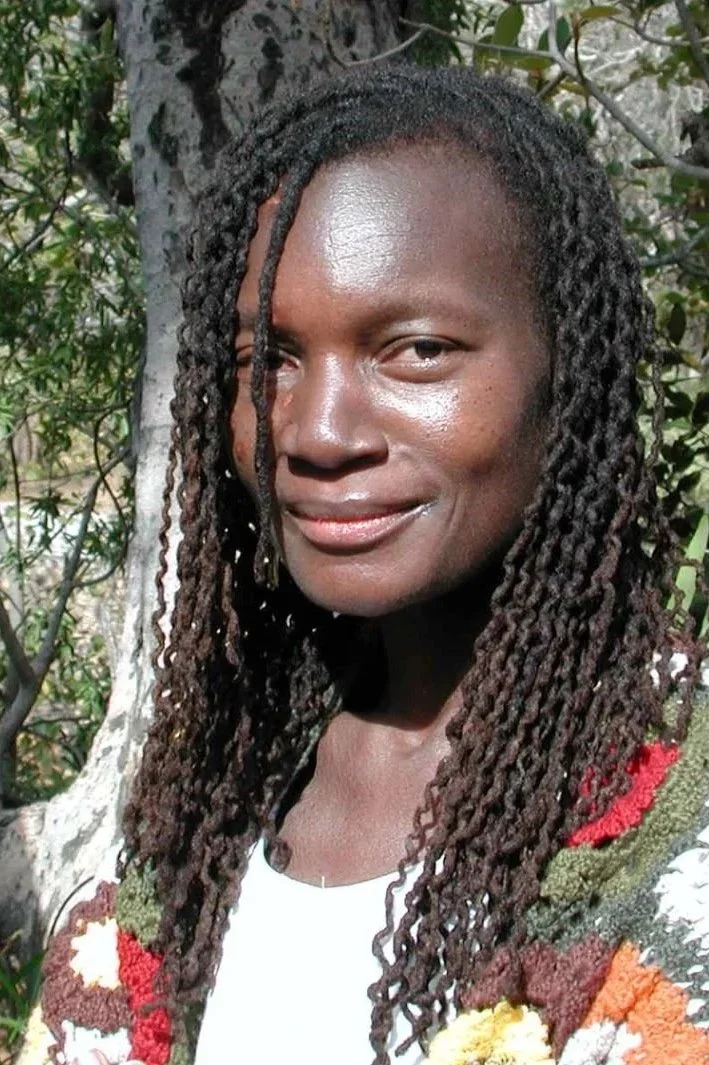
Yvonne Vera : The Zimbabwean Star
Home Country: Zimbabwe
Notable Work: Butterfly Burning
Vera’s prose is lyrical and intense, focusing on the inner lives and struggles of women in Zimbabwe. Her work is a powerful, poetic exploration of memory, trauma, and the quest for freedom.
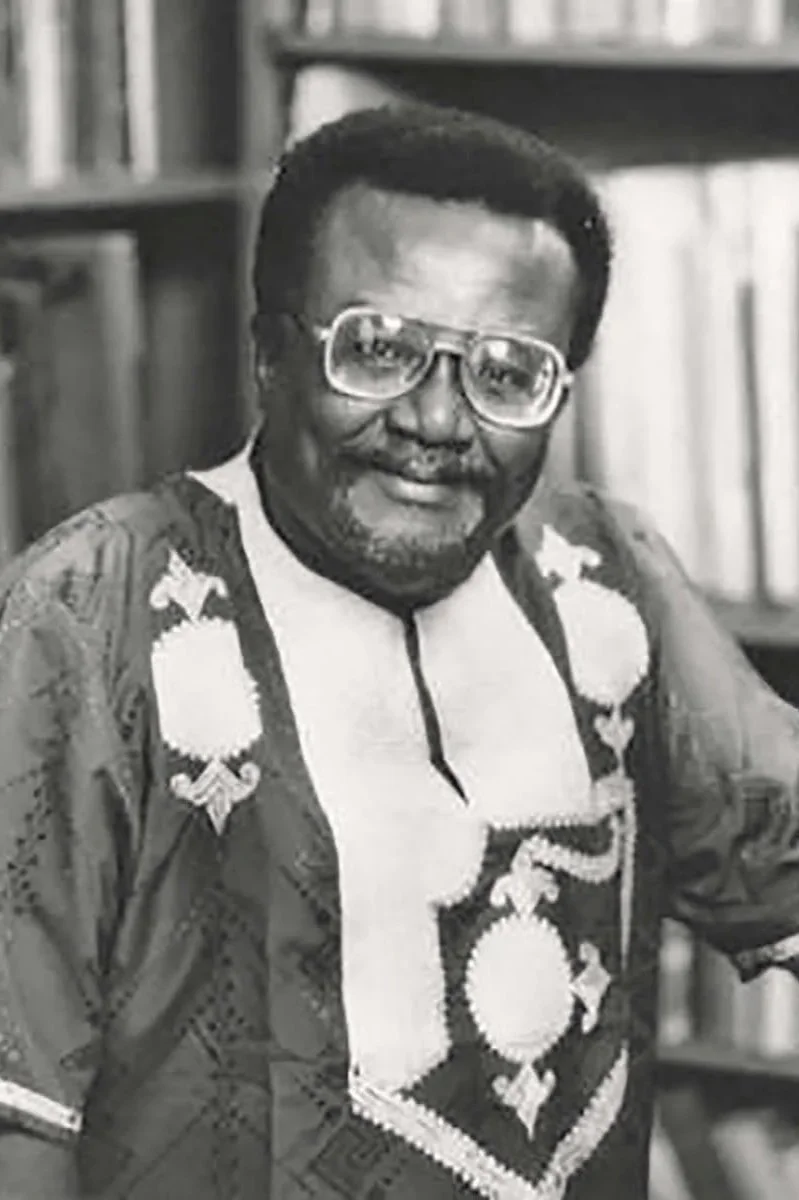
Ola Rotimi : The Poet Laureate
Home Country: Nigeria
Notable Work: The Gods Are Not to Blame
Rotimi was a pivotal figure in Nigerian drama, known for adapting classic Western themes to African settings, making them accessible and relevant to local audiences.
The works of these 14 literary giants form an indispensable canon, offering a profound and multifaceted understanding of Africa's past, present, and future. Their collective legacy is a testament to the power of storytelling to challenge, inspire, and ultimately, to shape the world's perception of a continent rich in history and narrative. To truly appreciate the depth of global literature, one must know these voices.
