Creative Director based in Amsterdam

THE READERS
I met JeanPaul Paula over two decades ago in the bustling world of fashion, where our shared passion for styling forged an instant connection. Our paths diverged and reunited over the years, and our friendship remained a constant witnessing each other's growth and accomplishments with a sense of pride. As a black woman navigating the fashion landscape in Paris, I've encountered my share of challenges, grappling with systemic barriers and stereotypes while striving to carve out my place in an industry often resistant to diversity and inclusion (God, I hate those word). Similarly, JeanPaul's journey has been marked by resilience and determination in confronting issues of race, identity and sexual orientation within his creative endeavors.
Jean Paul is a visionary artist whose work transcends boundaries, inviting viewers to engage with complex themes of identity, race, and societal structures.
His ethos is rooted in fostering dialogue and introspection through his art, challenging conventional norms and advocating for awareness and understanding.
In his own words, Jean Paul describes his work as a platform for connection and introspection, a space where individuals can dream and envision a more inclusive world.
His passion lies in facilitating conversations that encourage people to think beyond their immediate surroundings, prompting them to confront uncomfortable truths and reimagine their place within society.
For both Jean Paul and myself, navigating the predominantly white spaces of the fashion industry has been fraught with obstacles. I've encountered implicit bias and microaggressions, constantly having to prove my worth in an environment that often overlooks or diminishes my contributions.
Jean Paul has grappled with systemic racism, particularly in the context of his art and exhibitions.
His efforts to shed light on the black gay experience have been met with resistance and skepticism, underscoring the need for greater representation and understanding within the creative sphere. Despite these challenges, Jean Paul remains steadfast in his commitment to creating art that challenges perceptions and sparks meaningful dialogue.
I need to add that Jean Paul as he embodies a community-driven mindset that permeates every aspect of his life. His commitment to collective progress extends beyond the realm of art, shaping his interactions and collaborations in profound ways and it’s rare as this world is mostly driven by individualism and self-promotion.
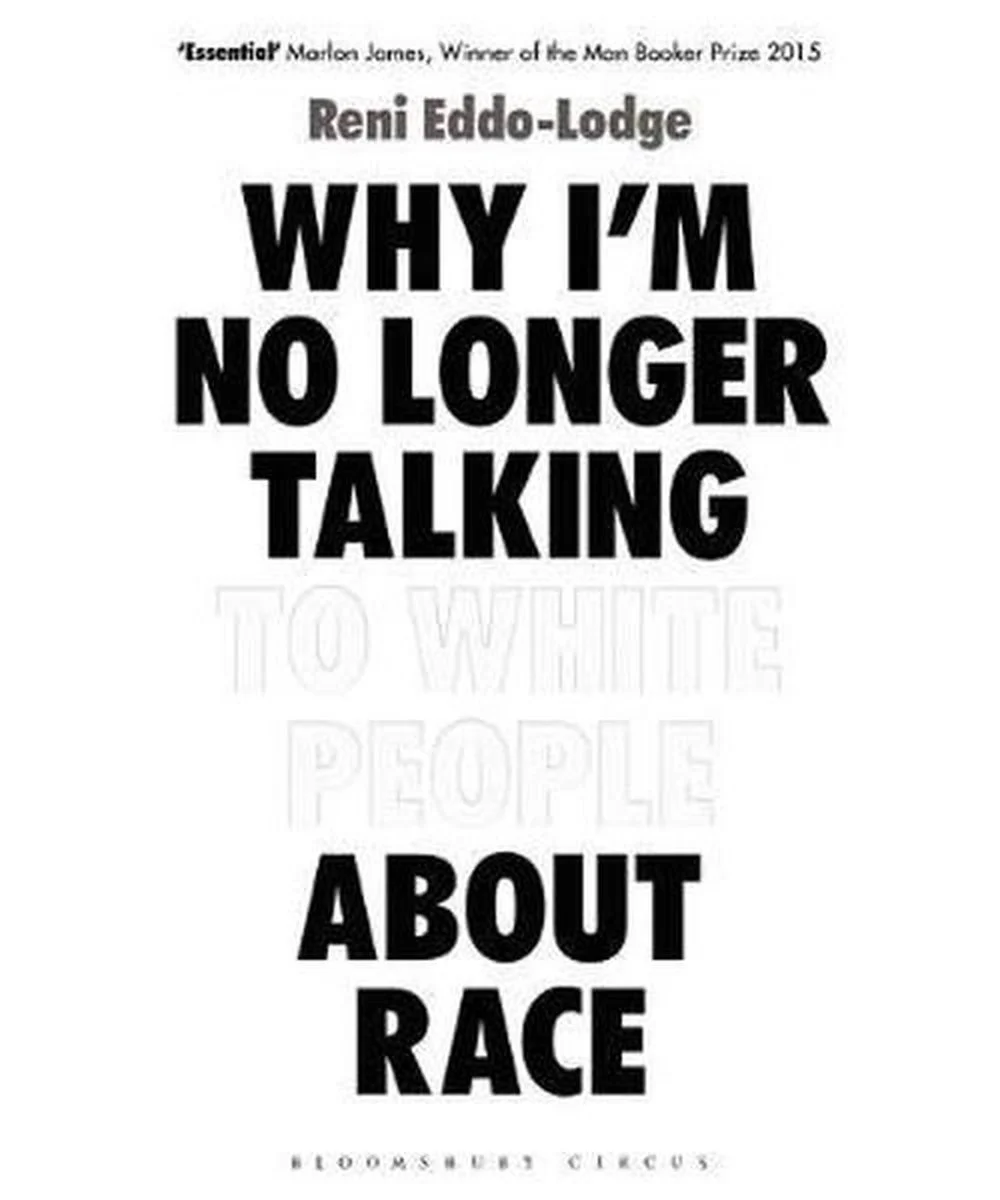
Here, Jean-Paul reflects on his all time favorite book "Why I Am No Longer Talking to White People About Race" by Reni Eddo-Lodge, exploring race, identity, and societal conversations :
TBL : What’s your all-time favorite book, and why in short ?
JPP : Why I’m no longer talking to white people about race by Reni Eddo-Lodge.
I was living in London and was experiencing allot of racism in my work and wasn’t able to put my finger or any type of vocabulary to protect myself. Reading this book was frustrating more then anything but it gave me a vocabulary and it made me feel less alone when I finished it I questioned everything it changed me and I was never going to be the same. It encouraged me to keep moving forward gain more knowledge and keep fighting the good fight.

-
I spent a long time trying to verbalise my experience in regard to racism and would always find myself getting emotional. People don’t like when you get emotional and would stop listening or disregard what I was saying based on my words being emotional and for that reason not factual. Reni has an amazing way of connecting facts to experiances and then explain the situation. In reality its horrible to need to do that but I felt there was a lack of knowledge in regards to the black European experience where even black people in America would disregard it because it wasn’t as bad as the well documented experience in America.
-
It’s hard to read that your feelings are vallid and very disconcerting to know that you’re not safe because of it. i felt that every page I finished helped me to understand the harsh reality that black people live in. The tile of the book is power full when you ready the last chapter and page where Reni asked you to not stop talking about ti especially to white people. Because if not use the ones who know then who?
-
I have been fired from jobs alienated threatened and abused all based on me trying to demand respect and ask for understanding when it comes to the experience of racism. Depression soon followed I lost allot of friends and broke up my unhealthy relationships. I have learned that there is no seat at any table for me to sit at where white people ar not open to have a conversation so It has posed me to work more independent. I advocate for change by educating black people.
There are many key takeaways and I would need three full word pages, but here are some :
- Lots of children of immigrants who speak their native tongue are afraid to do so because they don't want to be mocked by their family
- Internalized racism led some of them to stop speaking their parents' tongue, but most of them regret today and are trying to make up for their mistake
- People from the newer generations who didn't have the chance to learn their parents' tongue are more keen to learn it on their own, using social media, online classes or by attending evening classes
So one could say that there's a form of resistance against racism that plays in the linguistic and cultural fields.