
In Discourse with Music: The Cultural Impact of Chance the Rapper's "Star Line"
Exploring the Historical Roots, Black Excellence, and Personal Healing in Chance's 2025 Masterpiece
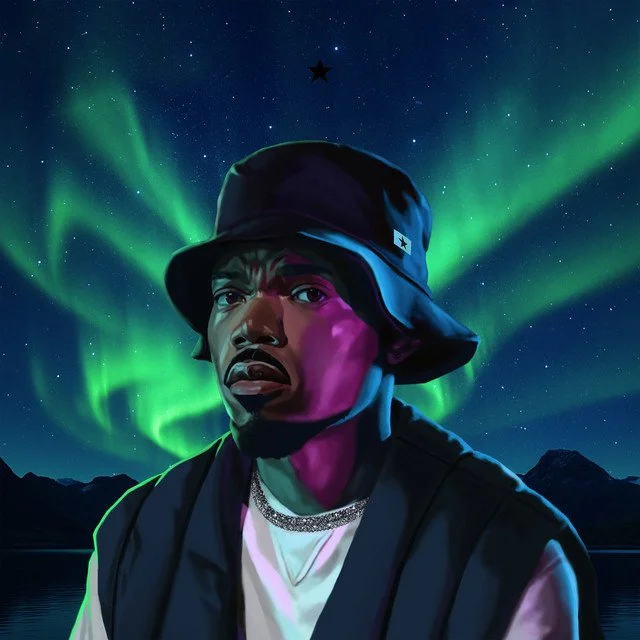
Subjectively speaking, Chance The Rapper’s 2025 album, “Star Line,” makes a compelling case for album of the year. Following a six-year hiatus marked by significant personal changes—including marriage, fatherhood, and, unfortunately, divorce and loss—Chance invites the listener into his world. He shares the communal experience of navigating these moments, poetically highlighting the brilliance of Blackness and community, and demonstrating how confronting pain through writing can facilitate healing from trauma.
In an interview on the “Grits and Eggs Podcast,” Chance discussed his travels to Ghana, where he gained a deeper appreciation for the cultural beauty of Africa and, by extension, Black America.
His time in Ghana inspired the album's title, “Star Line,” which is directly influenced by Marcus Garvey’s shipping and trading company, the Black Star Line. Established between 1919 and 1922 and run exclusively by African-Americans, the company was dedicated to building a global community and moving goods between North America, the Caribbean, and South America.
The company was later shut down by the Federal Bureau of Investigation’s Director at the time, J. Edgar Hoover, due to racism. This historical context revitalized my enjoyment of the album, as it speaks to the multi-faceted references to Black culture, art, and struggle that Chance so eloquently researched and presented. As a native of Chicago, Illinois—a historical hub of Black creativity, art, and resilience—Chance connects the album's subject matter with its production choices on each song. While a full track-by-track analysis is possible, here are five songs from Chance The Rapper’s “Star Line” that deeply reference cultural African-American history.
No More Old Men (Feat. Jamilla Woods)
“It’s the Four Black Commandments, man you know how we rock
It goes one, watch your health, that’s your wealth
Two, watch yo’ brother that’s yourself
Three, watch your home, that’s your door
Fours, if they want it, we go to war
In the distant future the twilight of our lives
Contains all the laughs and highlights of our lives
The knowledge that could help a young man go forth
‘Fore the day you don’t see these old men no more.”
This track is a powerful piece of storytelling and a charge to care for both the youth and the elderly. It speaks to the critical lack of older men to provide insight and memories for the younger generation. This theme is particularly resonant given the post-COVID decline in life expectancy and health rates among Black men and women in the community, which are currently three to five years lower than their white counterparts. The song's refrain underscores the impact of this absence. The loss of lineage—whether through violence, poor health, or other systemic issues—leads to a profound lack of presence, history, and shared memories. The song can be interpreted as a commentary on the violence that claims so many young lives, whether at the hands of the police, due to bad health outcomes, or through youth-on-youth crime.

Just A Drop (Feat. Jay Electronica)
“Tell em bring out all the pitchforks torches and troops
I’m just preaching to the choir what a chorus could do
I’m just speaking to the fire what a forest could do
Cause when goldy in your house pouring all your food out
What that porridge a-do?”
This song deeply resonates with Black faith and Christianity, echoing the tradition of spiritual songs that were deeply entrenched in resistance, where enslaved people passionately believed God would grant them the strength to overcome. The first verse speaks of the varied uses of water—for fun (swimming, cooking) or for harm (drugs).
The second verse speaks to the land and the resilience of Blackness in overcoming all the damage inflicted upon it or for it. The song concludes with a verse by Jay Electronica, which is filled with spiritual lessons on faith.
The Negro Problem (Feat. BJ the Chicago Kid)
“Ooh, I'm sick of you, all your minions so despicable
Me, my typical medical journey
Only takes place when it's critical
I know how you get when it's melanated individuals, uh
More clinical trials, more chemicals for our women
Their symptoms seem cynical
Give 'em Tylenol and steal the umbilical scripts
Refillable, hey, if I'm billable and gullible enough to go
Might as well show up in the tux, you know
Make sure my hearse and my ducks in rows
'Cause that bill's gon' rupture your bucks, you know
Malpractice, we still can't file 'em
All know the number, but we just can't dial 'em”
The song begins and ends with a sample of Richard Pryor speaking about Blackness. The track transitions into an observation that the world is responsible for Black pain but takes no responsibility for it. The lyrics reference a spectrum of issues, including Black-on-Black crime, police brutality, and racial bias in the justice system.
Crucially, it addresses historical medical malpractice (e.g., Henrietta Lacks, the Tuskegee Syphilis Study) and the contemporary reality of how Black Americans are often mistreated, ignored, and exploited. This systemic abuse has led to a deep-seated mistrust between the healthcare system and African-American communities.
Letters (feat. Rachel Robinson)
“Dear Megachurch I hope this letter find you ‘fore I do
Fund a new building to hide you i’ll still be behind you
Elaborate Theatrics to blind you
Nickel and dime you but I knew…
I’ve watched you worship idols
Brand the bible ,Sell it for double
Brandish rifles, Curse and libel
Withhold shelter from n****s ,First Survival
First ladies walking round with Furs and titles
Watched you spit in a man’s face and call it god
But when it's really on your Dogma, silent Bob
Just take them government checks and smile and nod
I rebuke you in the name of the child of God…”
This is a powerful commentary on churches that mislead their congregations, profit from them, or segregate their services. It is reminiscent of the letters Paul and Peter wrote to churches in the New Testament, urging them to repent from wrongdoing. Churches often face scrutiny for adhering to unbiblical practices, typically over money, failing to care for the community, or succumbing to sin within the leadership.
This same critical commentary was recently present in the controversial reaction of the church (mainly members or those in leadership) after Druski released his skit on Mega Church Pastors.
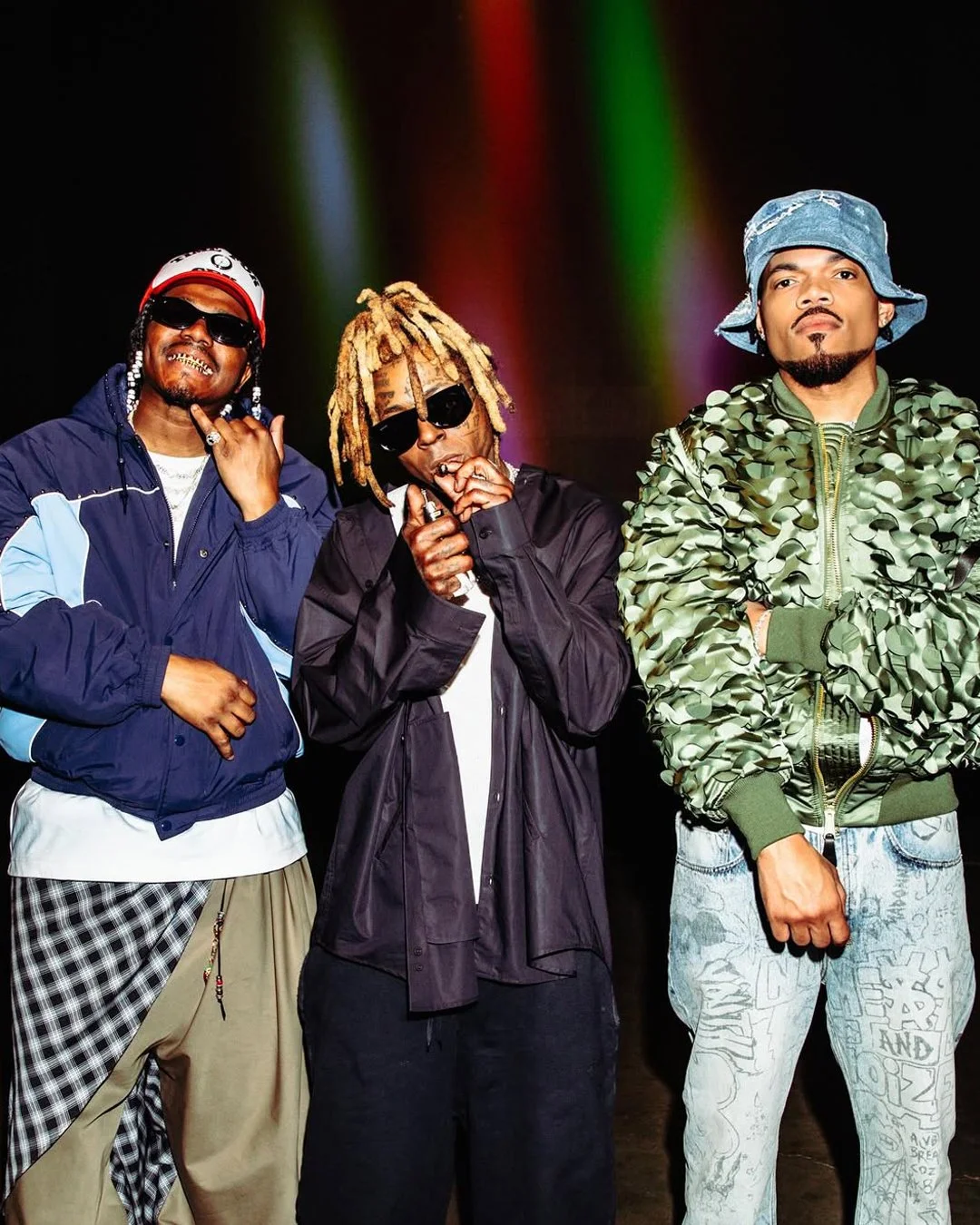
Tree (feat. Lil Wayne & Smino)
“My mama used to always keep a lil bit of dro
The incense in the window while she folding our clothes
And though life will have its issues there will never be
A problem with the weed
She told me
"Son don't worry don't you have no shame
There's gonna be frustrations in this white man's game
And they're gonna have us tied up once it's legalized
Because it is a tree!"
This track features a sample of India Arie’s “Video” throughout. The chorus connects marijuana, an often-demonized substance, with the idea that white institutions will inevitably monetize various things that Black people value.
There is a double entendre in the line about being "tied up" once it's legalized: on one hand, it could be a reference to lynching, a historical practice in the South where Black people were viewed as property.
On the other hand, the line speaks to the higher rates of taxation and legal hurdles that would ultimately profit the government. The song is rich with allusions to African-American poetry and creative puns on cannabis and the struggle to enjoy this recreational drug due to shifting societal and legal perspectives.

