
The Ultimate Guide to Black Literature and Authors
Exploring the Legacy, Power, and Future of Black Storytelling
What Is Black Literature ?
Black literature refers to works of writing created by Black authors—novels, essays, poetry, memoirs, and more—that reflect the experiences, histories, cultures, and imaginations of Black people around the world. It spans genres and regions, from African and Caribbean voices to African American, Afro-British, and other diasporic traditions. This literature tells stories shaped by heritage, resilience, struggle, beauty, and joy that have often been overlooked by mainstream publishing and curricula.
Black literature holds a place of deep importance in the world of letters and culture: It gives voice to people whose histories and daily lives have been underrepresented or misrepresented in the broader literary canon, allowing readers to see real Black lives and diverse perspectives authentically depicted. Through memoir, fiction, and essays by Black authors, we gain first-hand accounts of struggles and triumphs—from enslavement and civil rights to Black joy, family life, and imagination. Black literature allows Black readers to see themselves reflected in stories, fostering self-understanding and confidence, while also teaching empathy and respect to all readers. Center for Black Literature
The Blackletter Club is a black bookclub rooted in a love for storytelling and community. Its mission is to celebrate the richness and diversity of Black literature and to create a vibrant space where readers can engage meaningfully with the voices of Black authors. The club cultivates thoughtful discussion, honours culturally significant works, and brings people together through shared reading experiences that deepens understanding of Black identity, culture, and history. By focusing on books by Black authors, this black bookclub expands appreciation of stories that have shaped and continue to shape our understanding of humanity, heritage, and the world.
Historical Movements
Négritude
(France, 1930s–1950s)
Celebration of African heritage, anti-colonial identity, response to assimilation
Key Figures & Works:
Aimé Césaire – Notebook of a Return to My Native Land
A poetic and political exploration of African identity and colonial oppression.
Léopold Sédar Senghor – Hosties Noires
Combines poetry with philosophy, emphasizing African values and culture.
Léon-Gontran Damas – Pigments Névralgies
Expresses the psychological effects of colonialism and the Black experience in French society.
Harlem Renaissance
(USA, 1920s–1930s)
Cultural and artistic flourishing of Black life in literature, music, and arts
Key Figures & Works:
Langston Hughes – The Weary Blues
Poetry capturing the rhythms of jazz and blues, reflecting the struggles and joys of Black life.
Zora Neale Hurston – Their Eyes Were Watching God
A novel exploring the life of a Black woman in the early 20th century American South.
Nella Larsen – Passing
Examines racial identity, colorism, and the complexities of “passing” as white in society.
Postcolonial African Literature
(mid–20th century onward)
Addressing independence, postcolonial critique, and modern African identity.
Key Figures & Works:
Chinua Achebe – Things Fall Apart
Portraying pre-colonial Igbo society & the disruptive impact of Eu. colonization on African culture.
Ngũgĩ wa Thiong’o – A Grain of Wheat
Explores Kenya’s struggle for independence, focusing on betrayal, sacrifice and liberation.
Wole Soyinka – Death and the King’s Horseman
Examining the clash between colonial authority and traditional Yoruba beliefs.
Essential Black Authors
Classic Voices
Toni Morrison – Beloved
James Baldwin – The Fire Next Time
Aimé Césaire – Discourse on Colonialism
Maryse Condé – I, Tituba, Black Witch of Salem
Mariama Bâ – So Long a Letter
Ngũgĩ wa Thiong’o – A Grain of Wheat



Contemporary Voices
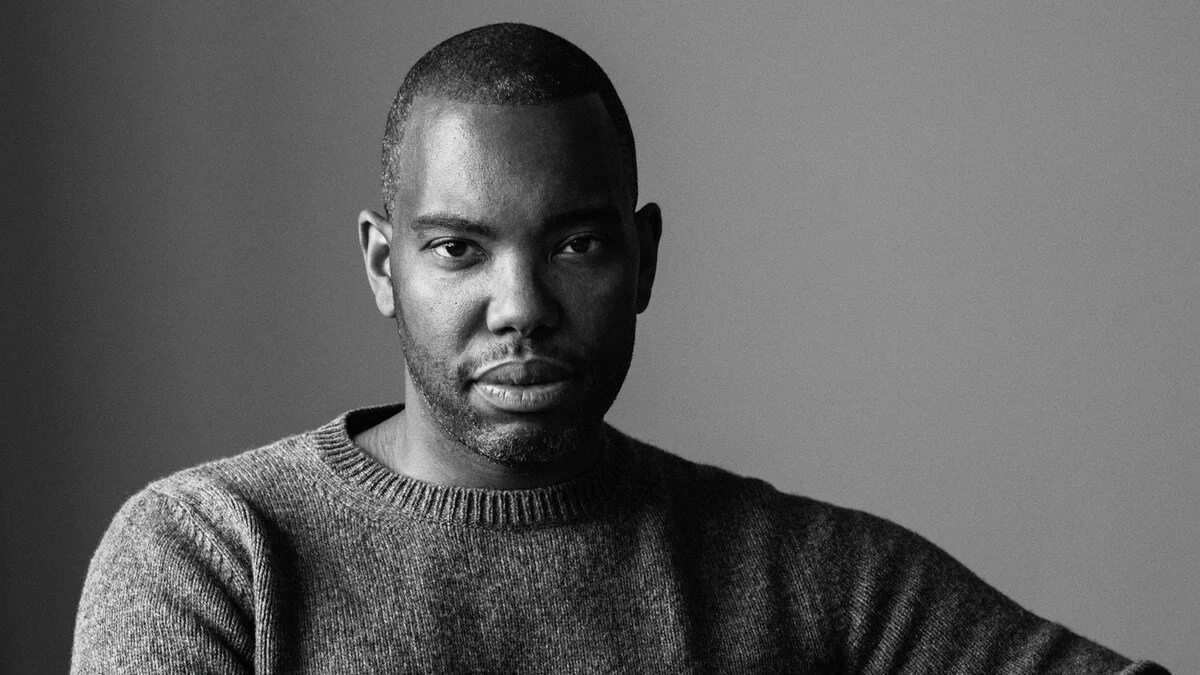
Ta-Nehisi Coates – The Water Dancer
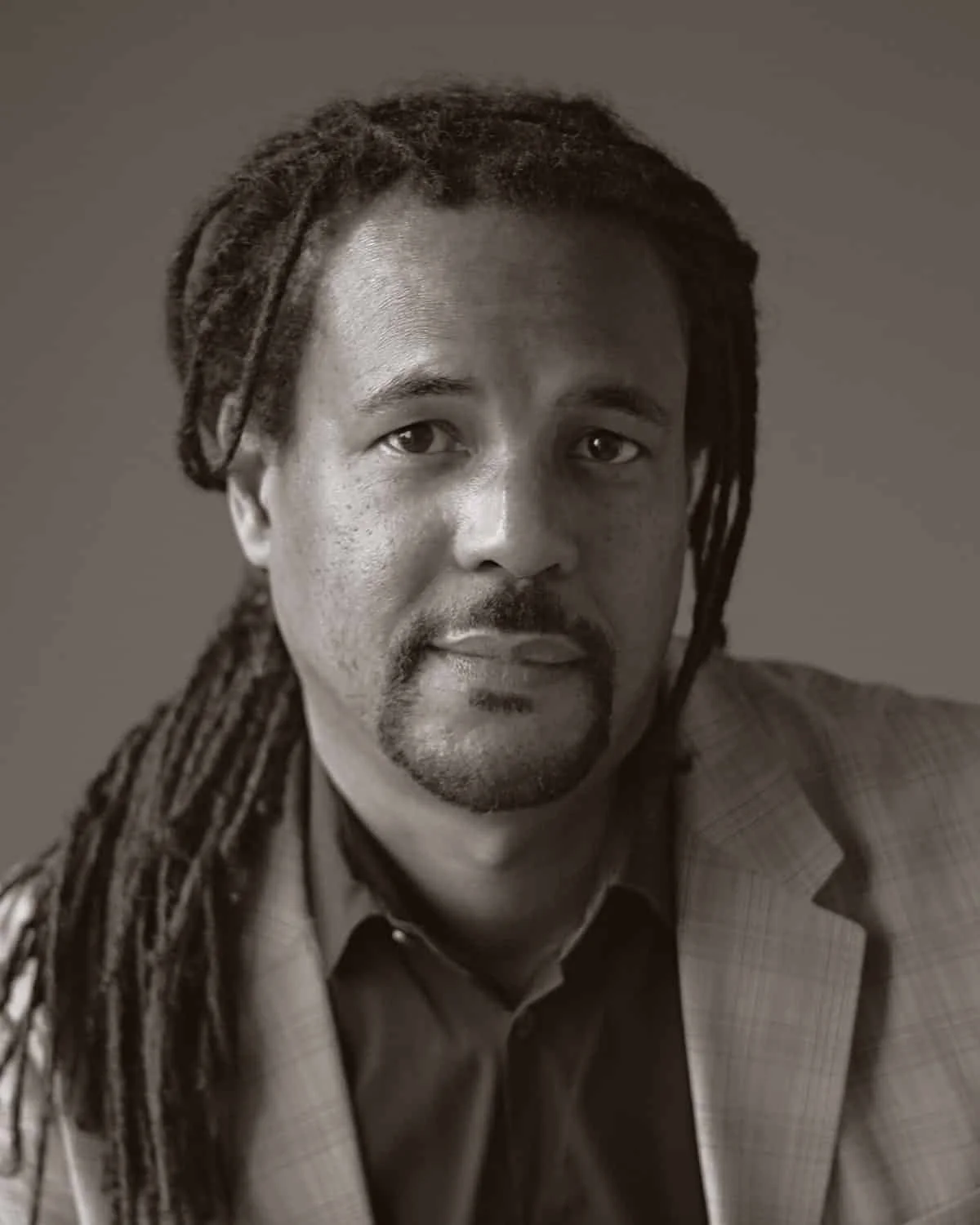
Colson Whitehead – The Nickel Boys
Eloghosa Osunde – Vagabonds
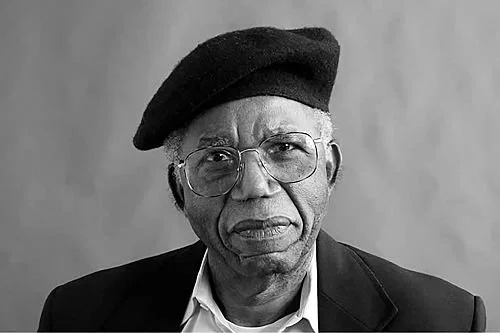
Chinua Achebe – Things Fall Apart
Mohamed Mbougar Sarr – De Purs Hommes
David Diop – Frères d’âmes
Black Literature by Genre
Essays & Critical Writing
Ngũgĩ wa Thiong’o – Decolonising the Mind
W.E.B. Du Bois – The Souls of Black Folk
Paul Gilroy – The Black Atlantic
C.L.R. James – The Black Jacobins
Abdias do Nascimento – The Genocide of the Black Brazilian Population
Afrofuturism
Octavia Butler - Parable of the Sower
N.K. Jemisin - How Long Til Black Future Month
Tade Thompson
Marlon James - Black Leopard, Red Wolf
Rivers Solomon - The Deep
Kojo Laing - Woman of the Aeroplanes
Poetry & Drama
Wole Soyinka – Death and the King’s Horseman
Maya Angelou – And Still I Rise
Warsan Shire – Her Blue Body
Kamau Brathwaite – The Arrivants
Abdias do Nascimento – Sortilégio II
Fiction
Tsitsi Dangarembga – Nervous Conditions
Ralph Ellison – Invisible Man
Bernardine Evaristo – Girl, Woman, Other
Jamaica Kincaid – Annie John
Octavia E. Butler – Kindred
Recurring Themes in Black Literature
Identity & Race – Colorism, “passing,” cultural pride
Resistance & Liberation – Anti-colonial, civil rights, social justice
Memory & History – Slavery, diaspora, ancestral heritage
Community & Family – Intergenerational stories, social bonds
Joy & Creativity – Music, folklore, celebration, everyday life
Navigating Black Literature
Historical Foundations – Explore Négritude, Harlem Renaissance, and Black Arts Movement.
Classic Voices – Deepen understanding of mid-20th-century perspectives.
Contemporary Works – Engage with modern explorations of identity, migration, and imagination.
Genre Exploration – Try essays, fiction, poetry, graphic novels, and Afrofuturism to see the diversity of expression.
